How to Take Better Nature Photos Without Expensive Gear | Sunflower Field Story
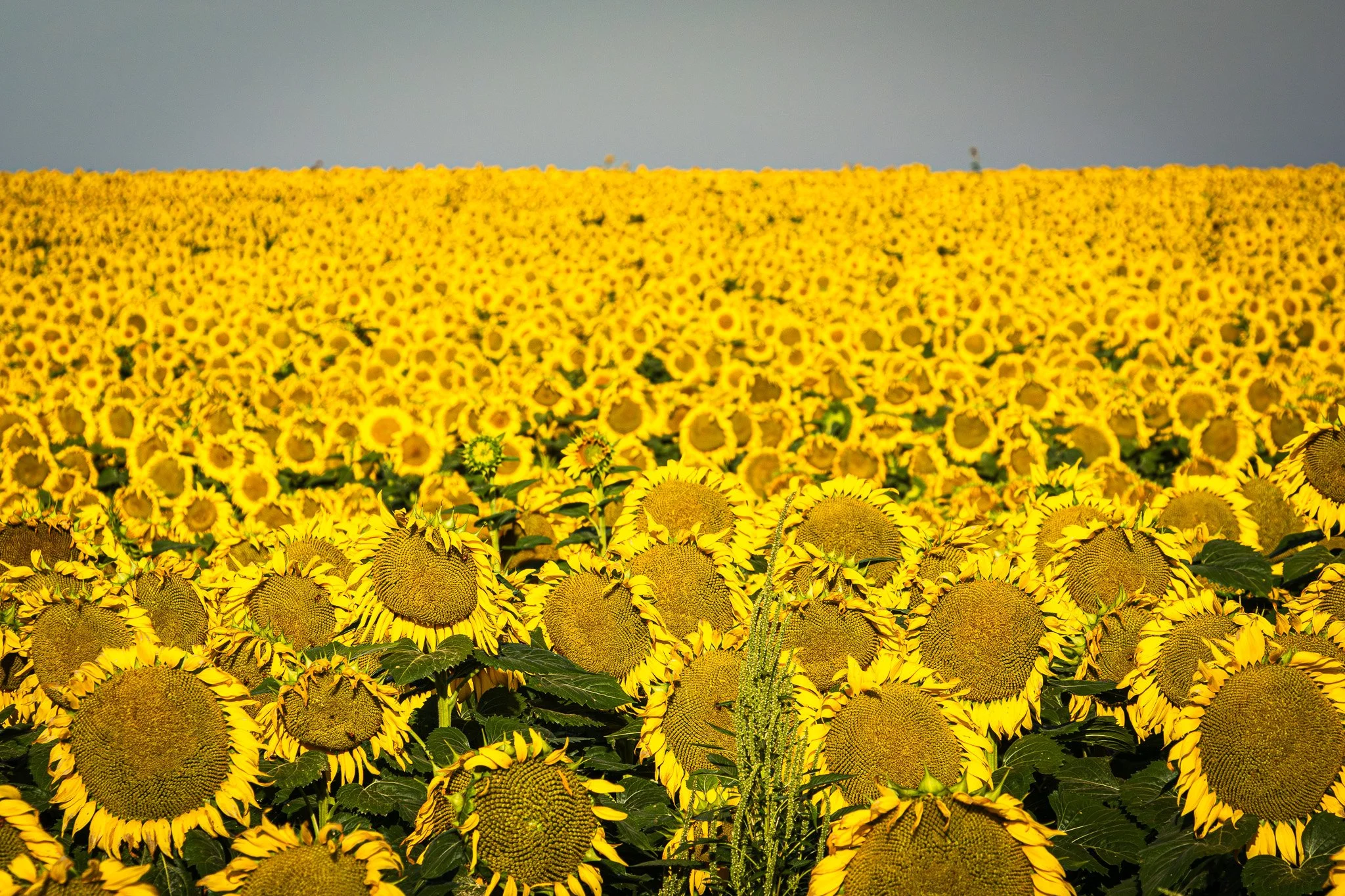
Plains of sunflowers stretch across the prairie. Taken at Lake Scott State Park, Kansas.
There’s a common belief in photography that better gear leads to better photos. Bigger lenses, newer cameras, sharper glass. For a long time, I thought that mattered more than anything else.
But somewhere out in western Kansas, standing before a vast field of sunflowers, that idea began to fade.
The camera in my hands wasn’t anything special. Nothing about it would impress a gear list or spark a debate online. But the scene in front of me didn’t need anything more.
Rows of sunflowers stretched across the land, each one turning toward the light like it knew exactly where to look. The wind moved through them in soft waves, and for a moment, everything felt still—even though nothing was actually standing still at all.
That’s when I was reminded: better photography rarely begins with better equipment. It begins with attention.
Slow Down Before You Ever Press the Shutter
Standing at the edge of that sunflower field, it would have been easy to start shooting immediately. Wide shots, close shots, details—move quickly before the moment changes.
Instead, I paused.
I watched how the light touched the tops of the flowers first, then slowly worked its way down the field. I noticed how the rows created natural lines that pulled the eye into the distance. I waited until I felt like I understood the scene before trying to capture it.
That small decision changed everything about the photos I took.
Learn Light Instead of Chasing Equipment
In western Kansas, light can feel wide and honest. There’s little to block it, nothing to soften it unless the sky decides to do so.
On this day, the sun sat low enough to cast a warm glow across the field. The sunflowers weren’t just yellow—they were glowing, each petal catching light differently depending on its angle.
No lens can replace that kind of light. But any photographer can learn to recognize it.
Get Closer (Physically and Emotionally)
A sunflower field is naturally impressive from a distance. It’s tempting to keep it all in frame—to show the scale and the sweep of it.
But the strongest images often came when I moved closer.
One flower leaning slightly away from the rest. A cluster of petals catching backlight. A single stem standing just a bit taller than the others.
The field became less about size—and more about presence.
Work With What You Have
There was nothing special about the gear I used that day. No secret lens. No technical advantage.
But limitations have a way of focusing your attention.
Instead of thinking about what I couldn’t do, I focused on what was right in front of me: composition, light, and timing.
Those three things will always matter more than specifications.
Be Patient—Nature Works on Its Own Time
A sunflower field changes constantly. Clouds shift. Wind passes through. Light moves across the land like it’s never going to repeat itself—and it won’t.
I stayed longer than I originally planned. I waited for moments where the wind softened, where the light settled just right, where the field seemed to pause between movements.
Those are the moments you don’t rush.
They arrive on their own.
Focus on Meaning, Not Perfection
When I look back at that day, I don’t remember camera settings or technical details.
I remember the feeling of standing in a field that seemed to stretch farther than it should. I remember the quiet rhythm of the wind moving through the flowers. I remember how small I felt in the best possible way.
And that’s what the photo carries forward.
Not perfection—but presence.
Final Thoughts
Photography has a way of teaching you how to see again.
Not just to look at a scene, but to notice it.
That sunflower field in western Kansas didn’t need expensive equipment to be beautiful. It only needed someone willing to stop long enough to pay attention.
And that’s still where the best images begin.